
Kevan
Full Access Member
Rachel got me a great air compressor for the shop (in the basement) for X-mas last year. It's just big enough to handle all my air needs, but........it sure would be nice to have an air hose line into the garage! 
I formulated a plan.
And began to dig....
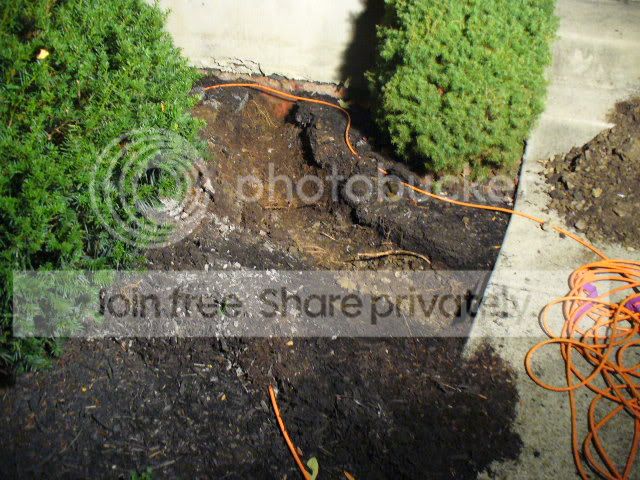
....and dig.....
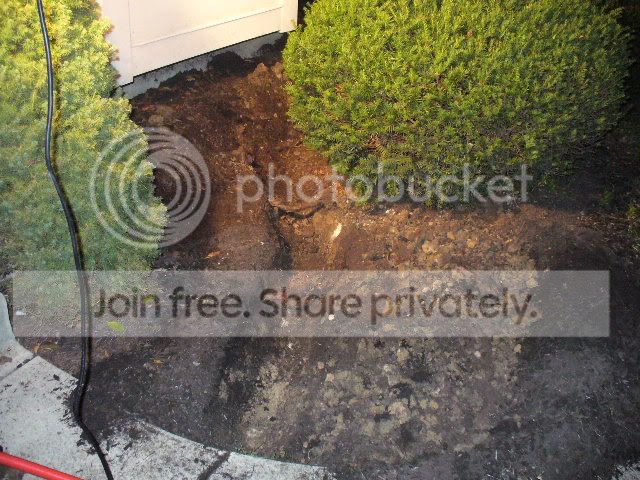
....and dig....

The trench is about 12-14" deep.
In the front of the house, by the bay window, it was SOLID CLAY. Unfun.
I did a lot of the digging at night. I was just waiting for a neighbor to come past while walking his dog and give me a funny look. "You're next, buddy!"
The line was going to come out of the basement, make a left and head toward the garage. The only big stumbling block was the front sidewalk....and getting under it. That turned out to be easier than I thought.
I mapped out the approximate distance from the basement to the garage, and added 10%, then purchased about 40' of 1-1/2" dia. PVC conduit. The conduit was larger in diameter than the 3/8" air hose just in case I wanted to run any other lines or cable at a later date.
My original plan was to do 90º connectors both inside and outside on the walls, then at certain points in the line.
FORGET IT. The 90º joints kinked the air line and made it immovable. I decided on 45º connectors instead.
Once everything was mapped out, I went to drill the holes in the cinder block with my new 1/4" masonry bit. I'd have to do a few holes, then chisel them out to get my 1.5" diameter.
PROBLEM: It's not just cinder block. It's cinder block that's been reinforced with rebar, and then concreted poured into the holes. No f-ing way I'm going to be able to drill through that. Well, I probably could but....it'd be easier to turn NowWhat straight.
It was time to call in the professionals: a coring company.
After getting a couple of outlandish quotes, I settled on a company that does the coring/concrete cutting for the city of Gahanna. Nice folks and a great price.
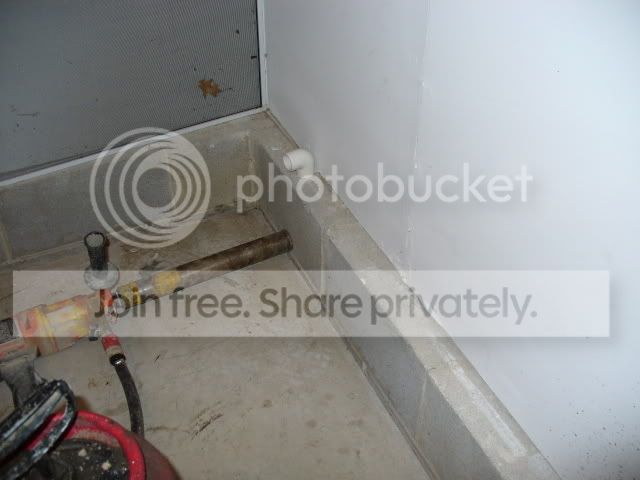
The guy that drilled the holes for me was very cool. The drill and bit he had was pretty badass. It's diamond-coated and water cooled.
First the horizontal hole in the garage was drilled:
Then the vertical hole:
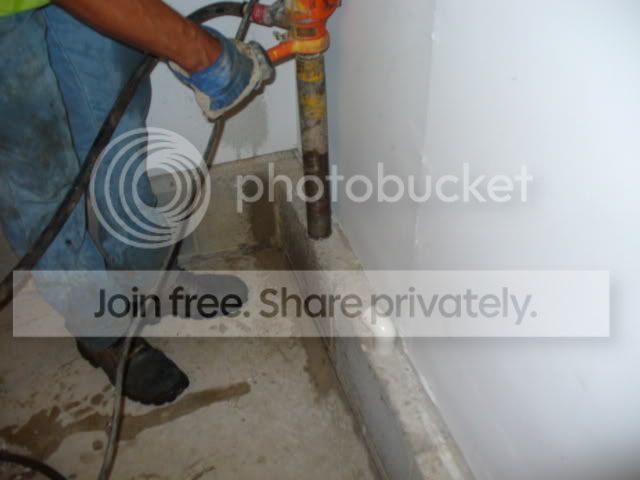
As you can see, he was able to get into a couple of really tight spots.
Here's what a couple of the cores look like:
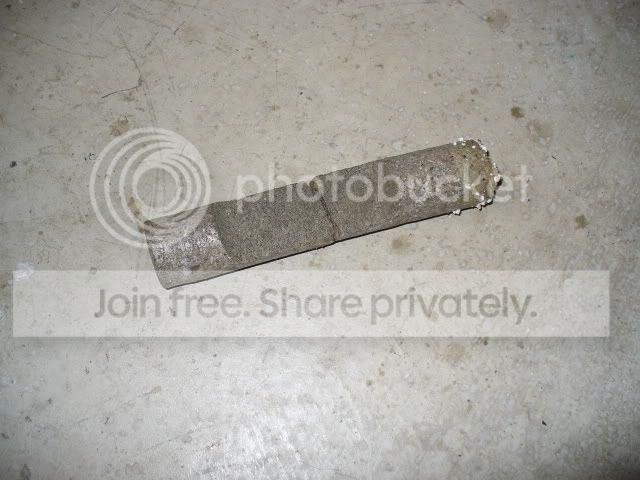
It got so hot that it snapped in half inside the coring bit.
One of the cores actually bent!
We head to the basement to drill from the inside out. I *thought* the highest point of the wall basement would be underground outside.
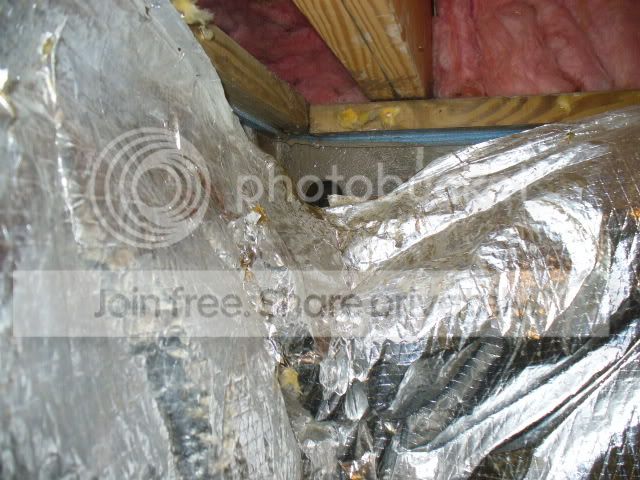
Oops. It was WAY above ground level on the outside of the house.
Using my screw-up hole as a reference point, he drilled the 2nd hole at a perfect height.
I did a bunch of reading on how to get pipe under sidewalks and driveways.
It all came down to pure brute force: dirt vs. pipe + rubber mallet. I directed the pipe as Keith hammered the end of it.
Eventually it popped out the other side only about 1" lower than it was on the near side. Not too bad:
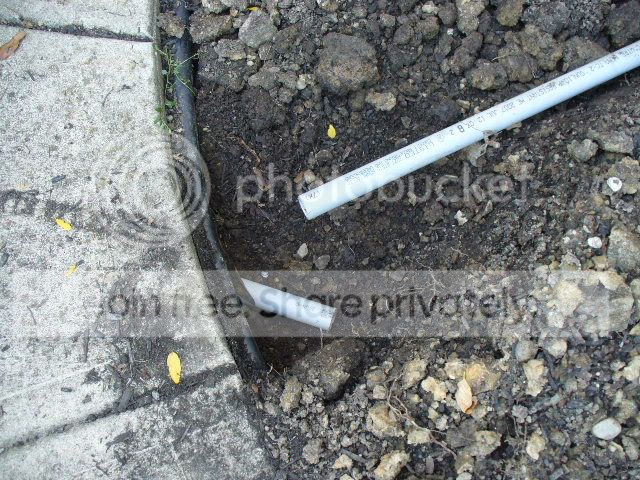
The pipe had rocks and dirt in it, but a quick shot with the water hose cleared those out.
I began cutting the other sections of pipe to fit their respective troughs:
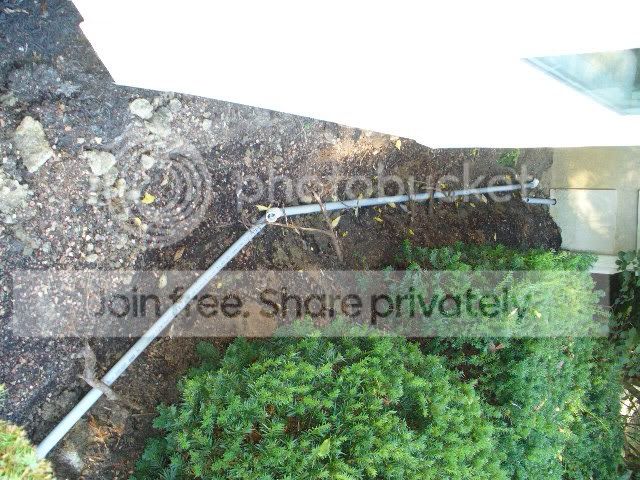
You can see that I had to go over some roots and under others.
Notice the 45º connectors at every joint.
After the test fit, we began to run the hose from the garage to the basement, through each joint and section of conduit, respectively. THEN I would apply the joint glue, being careful not to glue the air hose to the conduit.
I also got a few plastic stakes and some bailing wire. I looped the bailing wire around the conduit several times, then to a stake end on either side of the conduit. I hammered the stakes into the trench. This should keep the conduit from shifting too much during the freeze/thaw cycle, or erupting through the dirt and mulch.
Because of the weather, the holes in the basement were caulked first. I used strips of BS credit cards to center the core back into the hole, then caulked all around. Once that dried, I removed the strips of BS credit cards, and caulked the little holes that remained:

I repeated the process with the main holes to keep things air/water/bug tight.

Again, note the 45º connector coming into the basement.
Say goodbye to the nice holes:
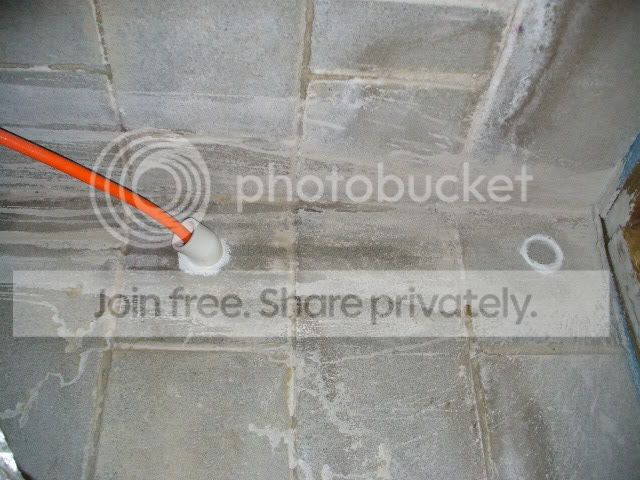
After 24 hours to let the caulk dry, the basement wall is re-covered with the foil-backed insulation that was re-stapled back into place.
The excess line was coiled under the bench and a connector attached to the T-fitting on the compressor outlet.
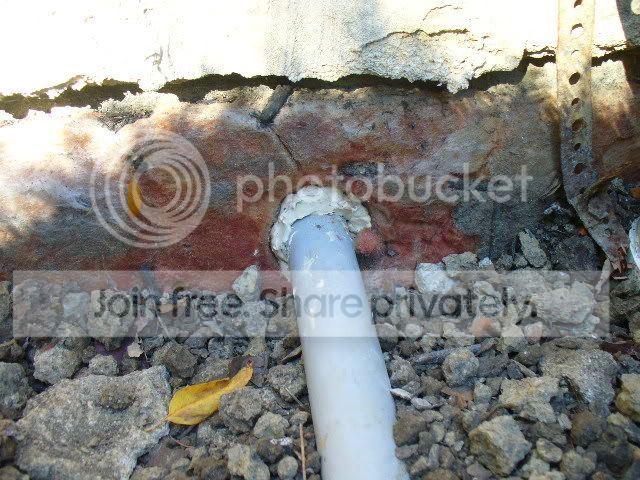
Back outside the weather had cleared and I began caulking the exterior holes. I used the same 'strips of BS credit card' method to keep the cores & pipes centered in their holes:

I used Almond colored caulk outside to more closely match the color of the house. You can barely notice the hole that was drilled too high:
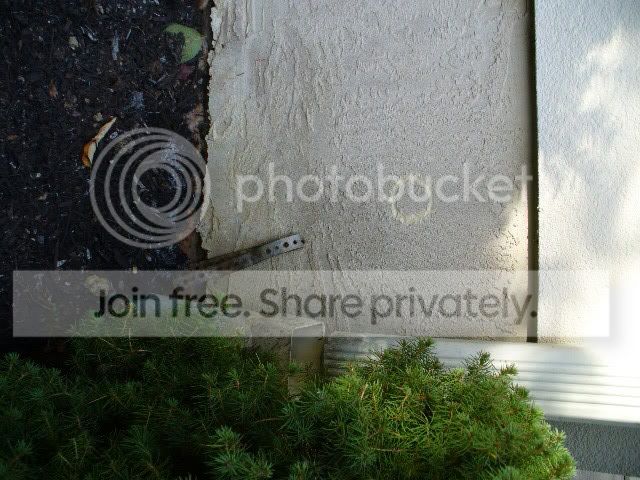
I even tried to give the caulk a little stucco texture.
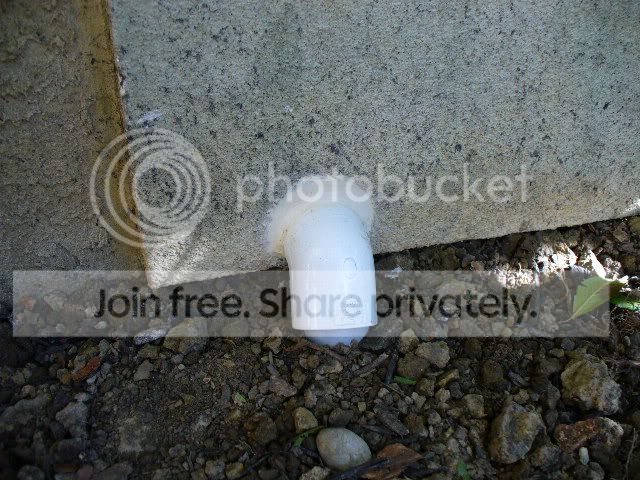
Over at the garage, the same centering method was used:
Inside the garage the line came in through the cinder block, then immediately went up to the air hose reel. I plugged up the open horizontal hole in the garage with a small piece of broken core and used the same centering method as the other holes:
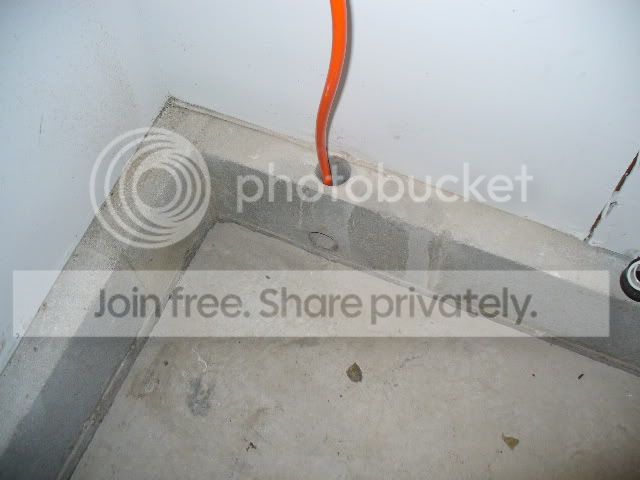
The vertical hole will get a rubber grommet that will be caulked into place.
A quick release connector was put on the new air hose and onto the hose reel line:

There's a little bit of slack so the hose reel can swing left/right.
I went back outside and filled in the trench and soaked it with some water. 2 days later (after the dirt had settled), I put all the mulch back in place.
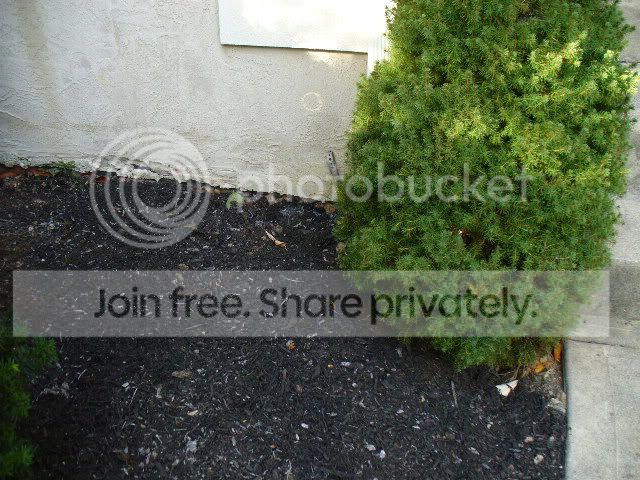

The only part of the line you can see outside is the top part of the 45º connector going into the garage:


Almost undetectable.
The tool box is rolled back into place and we now have compressed air in the garage!

TOTAL COST:
Less than $200. (and a couple of Pepsi's for Keith. )
I formulated a plan.
And began to dig....
....and dig.....
....and dig....
The trench is about 12-14" deep.
In the front of the house, by the bay window, it was SOLID CLAY. Unfun.
I did a lot of the digging at night. I was just waiting for a neighbor to come past while walking his dog and give me a funny look. "You're next, buddy!"
The line was going to come out of the basement, make a left and head toward the garage. The only big stumbling block was the front sidewalk....and getting under it. That turned out to be easier than I thought.
I mapped out the approximate distance from the basement to the garage, and added 10%, then purchased about 40' of 1-1/2" dia. PVC conduit. The conduit was larger in diameter than the 3/8" air hose just in case I wanted to run any other lines or cable at a later date.
My original plan was to do 90º connectors both inside and outside on the walls, then at certain points in the line.
FORGET IT. The 90º joints kinked the air line and made it immovable. I decided on 45º connectors instead.
Once everything was mapped out, I went to drill the holes in the cinder block with my new 1/4" masonry bit. I'd have to do a few holes, then chisel them out to get my 1.5" diameter.
PROBLEM: It's not just cinder block. It's cinder block that's been reinforced with rebar, and then concreted poured into the holes. No f-ing way I'm going to be able to drill through that. Well, I probably could but....it'd be easier to turn NowWhat straight.
It was time to call in the professionals: a coring company.
After getting a couple of outlandish quotes, I settled on a company that does the coring/concrete cutting for the city of Gahanna. Nice folks and a great price.
The guy that drilled the holes for me was very cool. The drill and bit he had was pretty badass. It's diamond-coated and water cooled.
First the horizontal hole in the garage was drilled:
Then the vertical hole:
As you can see, he was able to get into a couple of really tight spots.
Here's what a couple of the cores look like:
It got so hot that it snapped in half inside the coring bit.
One of the cores actually bent!
We head to the basement to drill from the inside out. I *thought* the highest point of the wall basement would be underground outside.
Oops.
It was WAY above ground level on the outside of the house.Using my screw-up hole as a reference point, he drilled the 2nd hole at a perfect height.
I did a bunch of reading on how to get pipe under sidewalks and driveways.
It all came down to pure brute force: dirt vs. pipe + rubber mallet.
I directed the pipe as Keith hammered the end of it.Eventually it popped out the other side only about 1" lower than it was on the near side. Not too bad:
The pipe had rocks and dirt in it, but a quick shot with the water hose cleared those out.
I began cutting the other sections of pipe to fit their respective troughs:
You can see that I had to go over some roots and under others.
Notice the 45º connectors at every joint.
After the test fit, we began to run the hose from the garage to the basement, through each joint and section of conduit, respectively. THEN I would apply the joint glue, being careful not to glue the air hose to the conduit.
I also got a few plastic stakes and some bailing wire. I looped the bailing wire around the conduit several times, then to a stake end on either side of the conduit. I hammered the stakes into the trench. This should keep the conduit from shifting too much during the freeze/thaw cycle, or erupting through the dirt and mulch.
Because of the weather, the holes in the basement were caulked first. I used strips of BS credit cards to center the core back into the hole, then caulked all around. Once that dried, I removed the strips of BS credit cards, and caulked the little holes that remained:
I repeated the process with the main holes to keep things air/water/bug tight.
Again, note the 45º connector coming into the basement.
Say goodbye to the nice holes:
After 24 hours to let the caulk dry, the basement wall is re-covered with the foil-backed insulation that was re-stapled back into place.
The excess line was coiled under the bench and a connector attached to the T-fitting on the compressor outlet.
Back outside the weather had cleared and I began caulking the exterior holes. I used the same 'strips of BS credit card' method to keep the cores & pipes centered in their holes:
I used Almond colored caulk outside to more closely match the color of the house. You can barely notice the hole that was drilled too high:
I even tried to give the caulk a little stucco texture.
Over at the garage, the same centering method was used:
Inside the garage the line came in through the cinder block, then immediately went up to the air hose reel. I plugged up the open horizontal hole in the garage with a small piece of broken core and used the same centering method as the other holes:
The vertical hole will get a rubber grommet that will be caulked into place.
A quick release connector was put on the new air hose and onto the hose reel line:
There's a little bit of slack so the hose reel can swing left/right.
I went back outside and filled in the trench and soaked it with some water. 2 days later (after the dirt had settled), I put all the mulch back in place.
The only part of the line you can see outside is the top part of the 45º connector going into the garage:
Almost undetectable.
The tool box is rolled back into place and we now have compressed air in the garage!
TOTAL COST:
Less than $200. (and a couple of Pepsi's for Keith.
)