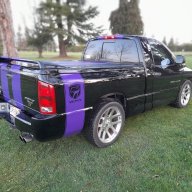
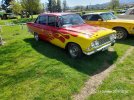
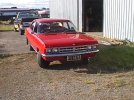
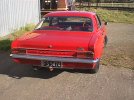
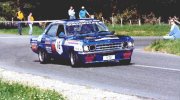
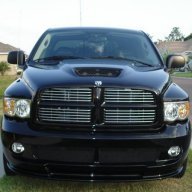
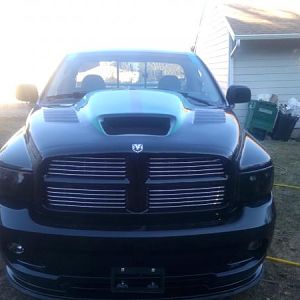
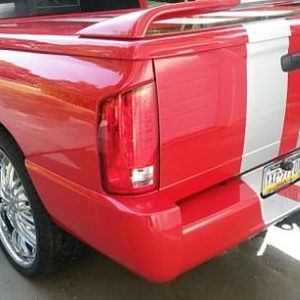
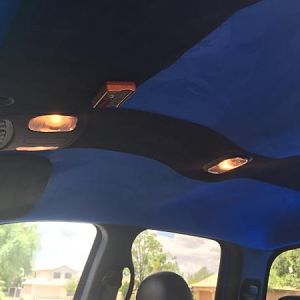
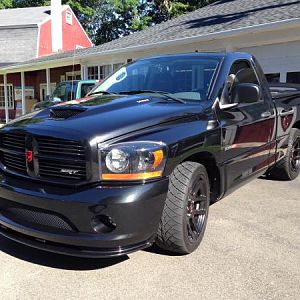
Name that car , make model and year ???

Yes low bleed Mopar compared to the OEM
That's a big difference.
Proper adjustment with Strikers and Jesels is 2-1/8 with the o.e.m. high-bleeds. At 2/3 of a turn with high-bleeds, the engine would lose 80+ horsepower by severely restricting duration and lift.
 
Last edited:
Valiant AP5. Or maybe a Colt or a Vauxhaul.

Those Australian cars have all undergone surgery to alter their original appearance;
Most likely to integrate into Witness Protection. And when that didn't work, they were turned upside down in an attempt to confuse even the most determined Trackers.
 
Last edited:
That's a big difference.
Proper adjustment with Strikers and Jesels is 2-1/8 with the o.e.m. high-bleeds. At 2/3 of a turn with high-bleeds, the engine would lose 80+ horsepower by severely restricting duration and lift.
Mine are really std lifters. Not low or high bleed. John sent me this
Correct valve lash adjustment for low-bleed (short-travel) hydraulic lifters requires extreme precision, typically setting preload to a very light 1/8 to 1/4 turn past zero lash, rather than the standard 1/2–3/4 turn, to prevent holding valves open due to limited internal plunger travel.

Key Considerations for Low-Bleed Lifters
  • Minimal Preload: Because low-bleed/short-travel lifters have very little internal travel, excessive preload (e.g., 3/4 turn) will cause the valve to be held open, resulting in misfires and poor performance.
  • Zero Lash Precision: "Zero lash" is defined as the point where all vertical movement and slack are removed from the pushrod, and it begins to feel slight resistance when spun with your fingers.
  • Target Preload: The industry standard for these specialized lifters is often 0.002"–0.004" or exactly 1/8 to 1/4 turn past zero, ensuring a stiff valve train that performs like a solid lifter.

 
Mine are really std lifters. Not low or high bleed. John sent me this
Correct valve lash adjustment for low-bleed (short-travel) hydraulic lifters requires extreme precision, typically setting preload to a very light 1/8 to 1/4 turn past zero lash, rather than the standard 1/2–3/4 turn, to prevent holding valves open due to limited internal plunger travel.

Key Considerations for Low-Bleed Lifters
  • Minimal Preload: Because low-bleed/short-travel lifters have very little internal travel, excessive preload (e.g., 3/4 turn) will cause the valve to be held open, resulting in misfires and poor performance.
  • Zero Lash Precision: "Zero lash" is defined as the point where all vertical movement and slack are removed from the pushrod, and it begins to feel slight resistance when spun with your fingers.
  • Target Preload: The industry standard for these specialized lifters is often 0.002"–0.004" or exactly 1/8 to 1/4 turn past zero, ensuring a stiff valve train that performs like a solid lifter.


You should be in good shape then.

The Gen III struggled to pass idle emissions in 2005/2006 and the high-bleed lifters helped to pass the test(s).
And they had .180" of travel.

In addition, some of the 2006s came out with retarded cam timing; a tactic used in the early 70s, as the reduction in cylinder pressure greatly reduced oxides of nitrogen. Although this saved the planet, they had low power and got horrible gas mileage.
 
Last edited:
You should be in good shape then.

The Gen III struggled to pass idle emissions in 2005/2006 and the high-bleed lifters helped to pass the test(s).

In addition, some of the 2006s came out with retarded cam timing; a tactic used in the early 70s, as the reduction in cylinder pressure greatly reduced oxides of nitrogen.
Yes facinating stuff.
I remember building a Vauxhall 3.3 engine many years ago. So many changes over the years. I had a '71 head, best ports, '69 cam, best profile, '68 pistons had wider rings (didn't break), pre'66 had head studs, not bolts.
Anyway rambling
 
Yes facinating stuff.
I remember building a Vauxhall 3.3 engine many years ago. So many changes over the years. I had a '71 head, best ports, '69 cam, best profile, '68 pistons had wider rings (didn't break), pre'66 had head studs, not bolts.
Anyway rambling
Ramble On
Lol
 
Yes facinating stuff.
I remember building a Vauxhall 3.3 engine many years ago. So many changes over the years. I had a '71 head, best ports, '69 cam, best profile, '68 pistons had wider rings (didn't break), pre'66 had head studs, not bolts.
Anyway rambling
Rambling is good. Lots of goodies right there!
 
I'm going to stop guessing now, as I am seeing these vehicles for the first time.
So...NO BASELINE whatsoever.

Besides, having to turn my phone upside down to view every picture is getting tedious.
 
Last edited:
Hahaha and the fords look like chevys and chryslers :rolleyes:
 
Just remember our cars are a lot smaller and lighter than yours.
At just 2500lbs, makes them quite zippy with 140hp
Even the Ford Falcon GT was only 2900lbs
 
Last edited:

Latest posts

Support Us

Become A Supporting Member Today!

Click Here For Details

Back
Top