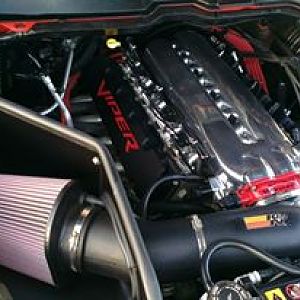
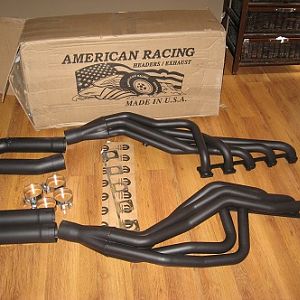
I'm jumping into this head first (figured I'd lead with the least important body part).
I've been buying up the equipment not only to run an HHO system, but to do R&D on them as well. I have a very nice pulse width modulator for the power supply to the electrolysis cell, software/hardware combo to use a laptop as an oscilloscope, and ordering a regulated variable power supply and calibrated gas flow meter. Some of the goofballs I've seen on You Tube are using a simple ball in a glass tube to measure HHO production (while connected to a running engine!), and using that as a basis for their cell's production. I intend to be substantially more scientific in my approach. I've spent many hours over the last few weeks researching what other people have experimented with, and can't wait to begin.
I also have been researching the safety aspects of working with this stuff. Building a power ventilated Lexan cube to house the cells undergoing testing, and designing an effective flashback preventer are musts. Everyone knows hydrogen is volatile, right?

Finally, I want to put together a first-rate package that not only works, but looks decent! So many of the systems just look like crap. Also, the key to making these systems produce results is being able to get the vehicles ECU to lean out the engine sufficiently. I don't recall whether Stinker is using an O2 sensor extender or an EFIE (electronic fuel injection enhancer), which physically and electronically (respectively) alter the O2 sensor's signal to the ECU to cause it to lean out the air/fuel mix. Being able to manually adjust the signal electronically makes the most sense to me, as you could bump it safely above the point of detonation (monitoring EGT's would also seem to help, although users are reporting lower EGT's when adding HHO as it is).
All I need to do now is pick a test vehicle...